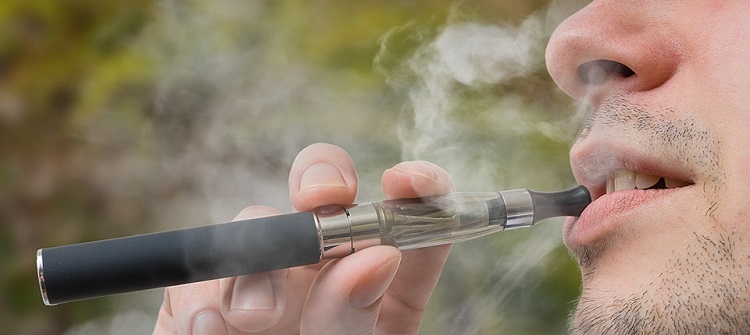
Vaping, which is frequently promoted as a safer option to smoking, has quickly grown in popularity among teenagers and young adults. Sleek designs, sweet flavors, and social media appeal have masked the risks, creating a public health concern that’s growing quietly but dangerously. While e-cigarettes may seem harmless at first glance, they carry a host of health hazards, especially for young users whose bodies and brains are still developing. To truly understand what are the dangers of vaping, it’s important to recognize how it affects both the physical health and mental well-being of young individuals, potentially leading to long-term addiction and respiratory issues.
The Allure of Vaping
One of the primary reasons vaping has taken hold among youth is its presentation. In contrast to conventional cigarettes, which have a long history of being dangerous, vaping devices are frequently seen as contemporary, hygienic, and generally risk-free. Many are sold in flavors like mango, cotton candy, and mint, making them more appealing to teens than conventional tobacco products. The sleek, often inconspicuous designs also make them easier to conceal at home or school, contributing to their widespread use among students.
Adding to the appeal is the misconception that vaping is merely inhaling flavored water vapor. In reality, e-cigarette aerosols contain a mix of harmful substances, including nicotine, heavy metals like lead, volatile organic compounds, and chemicals linked to lung disease.
Nicotine Addiction: A Slippery Slope
Nicotine, a highly addictive ingredient present in the majority of vaping products, is the leading cause for concern. While adult smokers might use e-cigarettes in an attempt to quit tobacco, teens often begin their nicotine journey with vaping. Studies have shown that many young people who vape are unaware that the products they use contain nicotine at all.
Nicotine impacts the developing adolescent brain in profound ways. It can interfere with brain development, affect memory and attention, and increase the risk of developing mood disorders. Youth who vape are also more likely to transition to traditional cigarette smoking, creating a cycle of long-term addiction that becomes harder to break.
Respiratory Risks and Lung Damage
Although vaping doesn’t produce the tar found in cigarette smoke, it still damages the lungs. The inhalation of harmful chemicals and ultrafine particles can lead to inflammation and chronic respiratory issues. One of the most alarming health concerns in recent years is the emergence of EVALI (e-cigarette or vaping-associated lung injury), which has been linked to severe lung damage and even death in young, otherwise healthy individuals.
Although the long-term consequences of inhaling these substances are not entirely understood, preliminary data suggest irreversible harm. Teenagers who vape may be setting themselves up for a lifetime of breathing problems and related health complications.
Mental Health and Behavioral Concerns
Beyond physical health, vaping can also affect mental and emotional well-being. Increased anxiety, irritability, and mood swings can result from nicotine’s addictive qualities, especially in teenagers who are still learning how to control their emotions. Moreover, the habit of vaping can interfere with daily responsibilities, concentration, and academic performance, leading to a decline in school performance and social engagement.
Social and Academic Consequences
As vaping becomes more prevalent in schools, students face not only health risks but also disciplinary action. Schools across the country are tightening their policies around e-cigarette use, resulting in suspensions, expulsions, and other penalties that can impact a student’s academic record and future opportunities.
Furthermore, peer influence plays a strong role. Teens who vape often encourage friends to try it, fueling a broader culture of normalization. This peer-driven dynamic makes it difficult for young users to quit or even recognize the seriousness of the issue.
Prevention Starts With Awareness
To combat this growing problem, education and early intervention are key. Parents, teachers, and health professionals must work together to dispel the myths surrounding vaping. Open conversations about the risks and honest discussions about peer pressure can empower teens to make informed choices.
The silent threat of vaping may not be as immediately visible as other public health concerns, but its impact is just as profound. By addressing it now—through awareness, education, and community support—we can help protect the health and future of the next generation.